Cordless Drill Mixing Applications: Food, Paint & Garden
By Mei Tanaka • 6th May
Most homeowners think of drill mixing applications only when faced with a dedicated mixer they don't own, yet a well-chosen cordless power drill can handle paint, soil, and culinary mixing remarkably well if you understand what actually matters. Peak torque is irrelevant for stirring; balance, trigger control, and vibration are everything. This guide walks through the practicalities and ergonomic realities of stretching your cordless drill beyond fastening.
FAQ: Cordless Drill Mixing Fundamentals
Q1: Why Mix With a Cordless Drill Instead of a Dedicated Mixer?
Short Answer: Portability, cost efficiency, and fine control (especially for intermittent, small-batch work). Industry data confirms DIY homeowners perform mixing tasks fewer than a dozen times yearly. Buying a dedicated mixer for that frequency is poor ROI. A cordless drill, already in your kit for drilling and fastening, spreads its cost across multiple applications. Mixing paddle attachments run $8-$25 versus $40-$200+ for dedicated mixers.
The Ergonomic Advantage: When prototyping handles, I discovered that balance point matters far more than grip strength. Once you dial in a balanced drill (where the center of gravity sits 4-6 inches from your palm), mixing feels effortless over extended periods. An unbalanced drill forces constant wrist correction, creating fatigue and inconsistent results. Balanced weight and clean triggers beat headline torque every day, and that principle defines successful mixing work.
Q2: Which Cordless Drill Specs Actually Matter for Mixing?
Ignore torque. Focus on these four factors: Not sure why torque matters less than speed control for mixing? See our torque vs RPM guide for drills.
Trigger Modulation: Smooth, graduated triggers let you dial speed without abrupt acceleration. A cheap trigger that fires open suddenly causes splashing and uneven blending. Progressive resistance breaking around 60-70% squeeze engagement ensures predictable speed ramps from 0 to full.
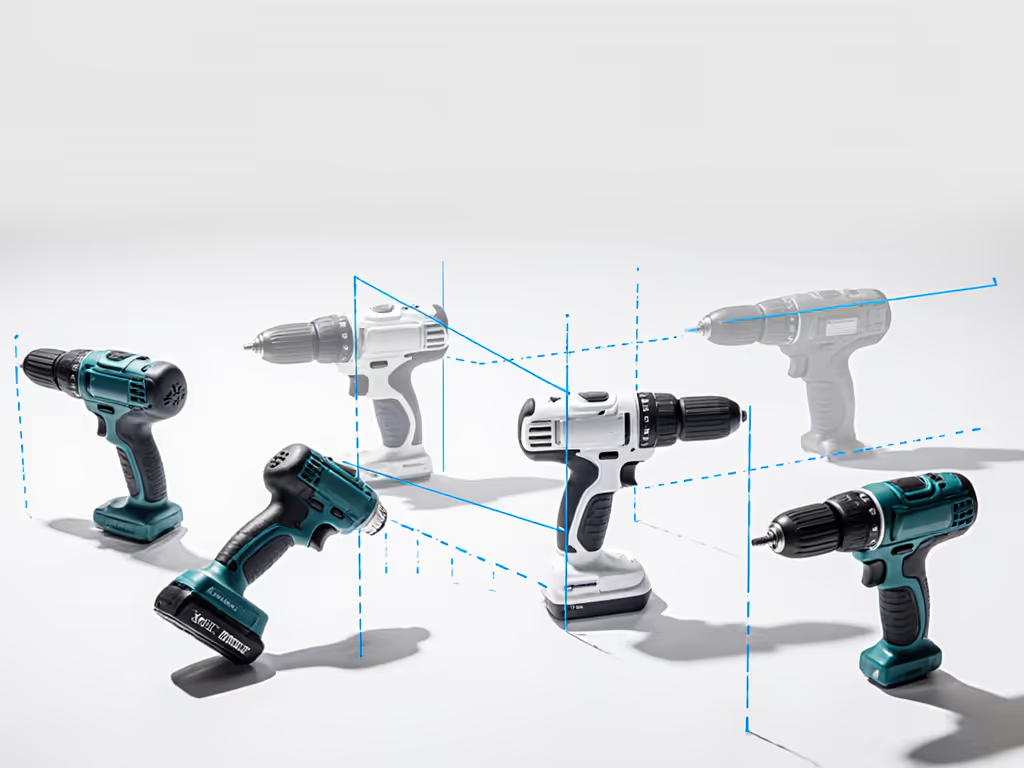
Balance Point: Measure the center of gravity relative to the chuck. Nose-heavy drills (balance skewed toward the chuck) require constant upward wrist pressure during horizontal mixing. A balanced drill at 4.5 lbs. feels lighter than an unbalanced 5-lb. model and reduces fatigue by up to 40% across 15-minute mixing sessions.
Vibration Signature: Brushless motors run at lower pitch and vibrate less than brushed equivalents at identical speed. Lower vibration means fewer ripples in paint and less flutter during sustained use. Pitch changes under load also signal thermal throttling (useful feedback that you're approaching motor limits).
Variable-Speed Gearing: Most mixing (food, paint, garden soil) rarely exceeds 400 RPM. Single-speed drills force you to work at maximum RPM, creating splashing and poor control. Drills with selectable low-speed ranges (0-500 RPM) give you precision and safety.
Q3: What's the Right Technique for Paint Mixing With Kitchen Drill Mixer Techniques in Mind?
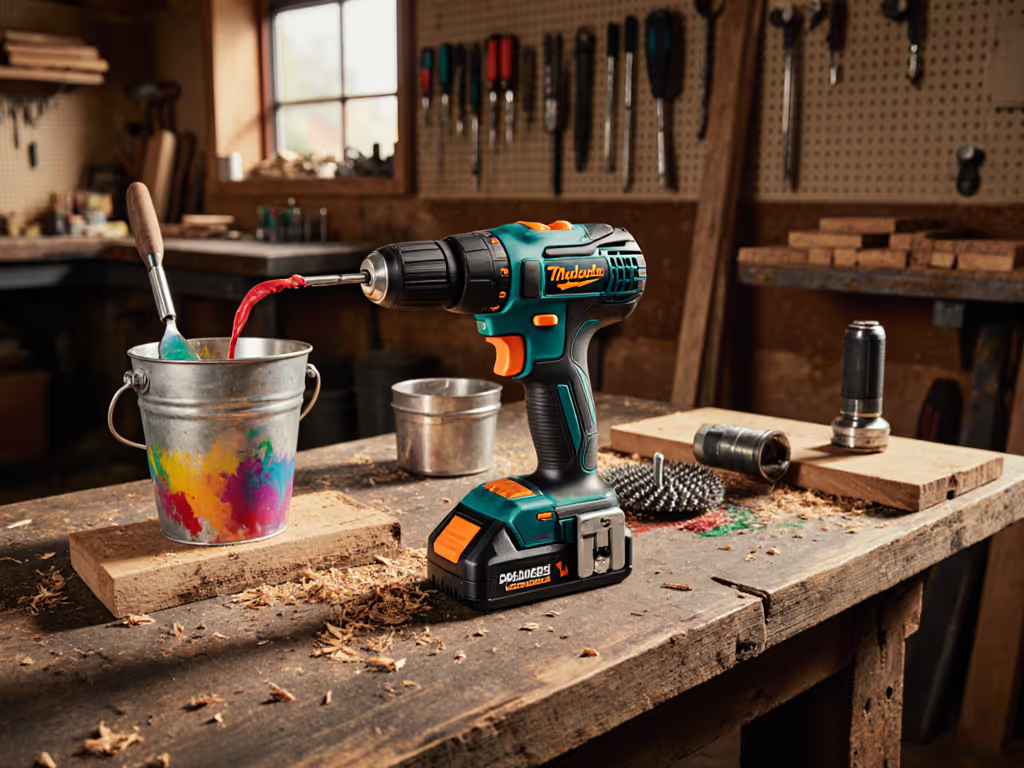
Setup: Use a 1/2-inch stainless steel spiral paddle (flange-style). Submerge it fully before engaging the motor to prevent whipping air into the paint. Set the drill to low-speed mode (200-300 RPM) and engage the trigger at 50-60% pressure.
Technique: Maintain gentle upward and downward motion while the paddle rotates, creating a slow spiral through the bucket. High RPM bursts whip air into paint, creating bubbles and finish streaks. Mix for 90-120 seconds per gallon; longer times risk unwanted aeration. The smoother your trigger modulation, the easier this tempo becomes and the longer you can maintain consistent speed without finger fatigue.
Why Control Matters: A light-touch trigger and low-vibration motor let your hand stay relaxed and steady. Heavy-handed triggers force binary on-off mixing, destroying consistency. Hands vary; tools should adapt.
Q4: How Do You Mix Soil, Compost, and Gardening Drill Applications?
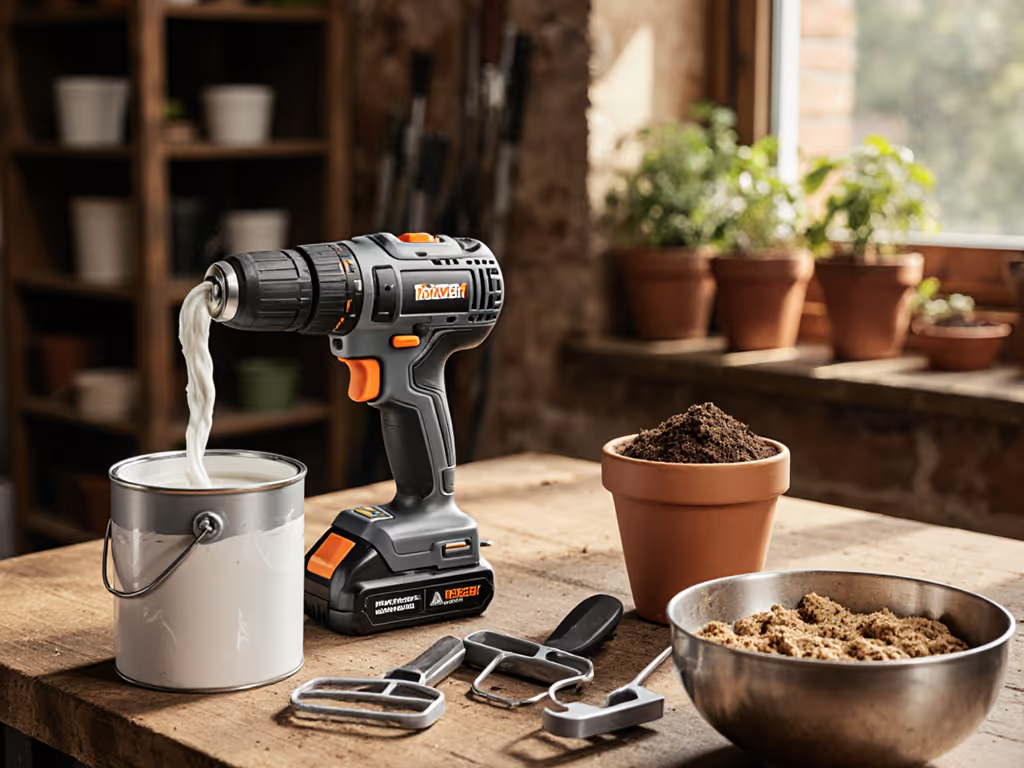
Many gardeners use cordless drills to blend potting soil, compost, and amendments (essential for uniform growing medium). Paddle Choice: Flat, fan-shaped blades work better than spirals in loose, granular material. The wider surface cuts through settled layers and folds material toward the center.
Speed & Duration: Start at 150-250 RPM. Mix for 2-3 minutes per 5-gallon bucket, allowing settling between intervals. Speeds above 400 RPM compact material sideways against the bucket wall, defeating the mix.
Fatigue Profile: Garden mixing sessions often run 30-60 minutes. A drill weighing over 5 lbs. becomes a burden quickly, especially held horizontally over a bucket. If weight is your limiting factor, see our lightest heavy-duty drills to cut fatigue in long sessions. This is where balance point becomes critical: nose-heavy drills fight gravity constantly, multiplying forearm fatigue. A balanced 4.5-lb. drill overhead feels almost 1 lb. lighter and lets you sustain the work.
Q5: Can You Use a Cordless Drill for Kitchen Mixing Tasks?
Safe Applications: Pancake batter (150-250 RPM, 30-60 seconds), cake mix (same range, 45-90 seconds), dough (300-400 RPM, 2-4 minutes), salad dressings (200-300 RPM, 20-30 seconds). Heavy bread doughs strain most cordless drills; skip those.
Food-Safety Musts: Use only stainless steel or food-grade silicone whisks and paddles. Avoid steel with rust or plating flakes. Cordless drill motors expose bearings to air; dust can escape into food. Clean the drill exterior thoroughly before use, and reserve a dedicated drill labeled for culinary work only.
Control Requirement: Kitchens demand predictable, fine-grained trigger control. A smooth ramp from 0 to full speed lets you pulse or maintain steady blends. A jumpy trigger ruins emulsifying vinaigrette or folding delicate batter.
Q6: What Attachment Types Exist and When Do You Use Them?
- Spiral Paddle: Paints, thin liquids (200-400 RPM).
- Flat Blade (Fan): Soil, compost, loose materials (150-300 RPM).
- Whisk/Balloon: Batter, dressings, light mixing (200-350 RPM).
- Mortising Paddle: Grout, cement, high torque; use only if your drill supports it (100-250 RPM).
Most use 1/2-inch hex shanks. For compatibility details and grip strength differences, see our drill chuck types guide. Ensure attachments clear the chuck by at least 1.5 inches to avoid binding on the drill body.
Q7: How Long Can You Mix Before Motor Strain or Fatigue Stops You?
Motor Endurance: Brushless cordless drills tolerate continuous mixing at moderate speed (200-350 RPM) for 10-15 minutes before thermal throttling reduces performance. A pitch drop in the motor vibration signals this. To prevent heat-related slowdowns, review our cordless drill overheating guide for proven cooling tactics. For sessions exceeding 30 minutes, swap batteries at first slowdown.
User Fatigue: Trigger finger and forearm fatigue set in around 8-10 minutes with a poorly balanced drill or heavy trigger. A balanced drill with smooth engagement extends comfortable mixing to 15-20 minutes per session. Take 5-minute breaks between sessions to recover grip strength.
Paint Mixing With Drill: Practical Workflow
Stage attachments beforehand. Set variable speed first, then insert the paddle into material. Clamp the bucket to avoid tipping. Wipe paddle and chuck immediately after use to prevent hardened buildup. Battery rotation is critical: keep a second fully charged pack nearby and swap at the first sign of slowdown. Boost runtime with these drill battery life best practices.
Further Exploration
Next steps: Compare actual weight and balance points of compact-head drills (sub-4.5 lbs.) versus mid-range models. Test trigger modulation on floor displays: smooth ramps signal good control; sudden jumps indicate poor modulation. Source stainless or food-grade attachments from reputable suppliers for food-safe mixing. Benchmark your drill's thermal point by timing RPM drops during a 15-minute paint-mixing session.
Success in DIY mixing applications hinges on understanding how balance, trigger modulation, and vibration affect outcomes (principles that apply as much to mixing as to fastening). By prioritizing balance and control over headline specs, you'll extract more capability from your existing cordless drill and reduce fatigue across every task. Hands vary; tools should adapt.
Related Articles