Drill Chuck Size Guide: Performance Impact
By Aiden Okoro • 23rd Feb
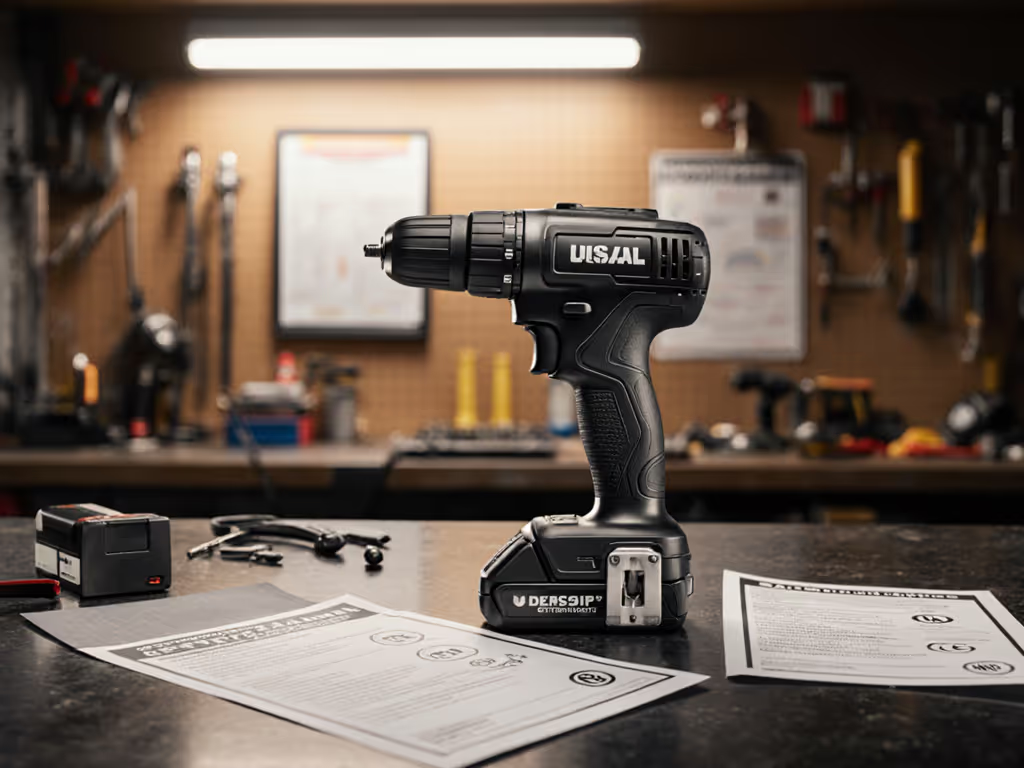
A drill chuck size guide might sound like trivia until you're halfway through a project and discover your chuck can't grip the bit your task demands. Most DIY shoppers fixate on torque ratings and voltage, but chuck capacity sits quietly between those specs, controlling what your drill can actually hold and how predictably it behaves under sustained load. Measure twice, drill once (ecosystems outlast spec-sheet bravado every time), and that principle starts with understanding what your chuck can do.
Why Chuck Size Isn't Just a Number
Chuck size refers to the maximum drill bit shank diameter the chuck can securely grip[3]. It's measured in inches or millimeters and directly determines your tool's versatility and control. An undersized chuck forces you to compromise on bit selection; an oversized one adds weight and complexity you may never use. The tension lies in matching chuck capacity to your likely tasks, not just the biggest bit you might dream of using.
I learned this lesson on a roof repair years ago. Two 18V drills, both rated "max torque," behaved wildly differently under load. One overheated mid-screw, its chuck drifting under pressure. The other finished cool, its three-point grip unwavering. That day I built a simple load jig and started logging gripping force and runout across chuck types and sizes. Numbers didn't brag; they explained why one platform stayed stable and the other didn't. Runtime-per-Wh tells the truth, and so does chuck behavior under sustained torque.
Standard Chuck Sizes: What You'll Actually Encounter
In North America and the UK, three chuck sizes dominate cordless and corded drills[2][3]:
- 1/4-inch chuck: Designed for light-duty applications, it accepts bits up to 1/4 inch in diameter. Lightweight, compact, and common on budget or compact drills.[2]
- 3/8-inch chuck: The most versatile general-purpose size, accommodating bits from 1/32 inch up to 3/8 inch diameter[3]. Professional contractors and serious DIYers gravitate here because the range covers most household and remodel work (framing, cabinetry, fastening) without excess weight.
- 1/2-inch chuck: Handles heavier duty applications and larger bits up to 1/2 inch diameter[2]. Professional contractors often prefer this for its versatility in accommodating larger bits and for demanding tasks[3]. A 5/8-inch chuck exists for industrial use but is rare on consumer tools[3].
Many handheld drills ship with either 10mm (roughly 3/8 inch) or 13mm (roughly 1/2 inch) chucks in metric markets[1].
1/4 Inch vs 3/8 Inch Chuck: The Practical Divide
The 1/4 inch vs 3/8 inch chuck comparison exposes a hard trade-off: portability versus task breadth. A 1/4-inch chuck drill is lighter, fits in tighter spaces, and appeals to users assembling IKEA furniture or hanging shelves. But the moment you want to drill a hole saw for cabinet hardware, bore through doubled-up SPF framing, or use spade bits, you'll hit the ceiling of what a 1/4-inch chuck accepts. Most hole saws and spade bits demand at least 3/8-inch shank diameter[3]. If you plan to run large-diameter cutters regularly, see our hole saw and auger drill picks.
The 3/8-inch chuck is the pivot point. It's heavy enough to suggest durability but light enough that most users tolerate it on a cordless drill. It swallows the majority of fastening bits, hole saws, and spade bits you'll encounter on a remodel or furniture build. For that reason, the 3/8-inch size remains the most popular choice for general-purpose drilling, handling both precision and volume[3].
If you're building an ecosystem (starting with one drill and planning to add an impact driver or hammer drill later), the 3/8-inch chuck is your safe bet. It doesn't lock you into a narrow lane.
Chuck Size and Performance Impact Under Load
Chuck size correlates with three measurable dimensions of performance: gripping force capacity, runout (wobble under load), and bit longevity.
Gripping force concentrates on three contact points inside the chuck jaws. A larger chuck spreads those contact points farther apart, allowing higher total clamping force without distorting the bit shank[9]. In practice, a 3/8-inch keyed chuck outgrips a 1/4-inch chuck when torquing heavy fasteners or driving spade bits through dense hardwood. The difference isn't marginal; sustained torque without slippage is the difference between a clean pilot hole and a wandering, overheated bit.
Runout (lateral wobble as the bit spins) increases when chuck capacity and actual bit diameter diverge wildly. A 1/8-inch bit in a 1/2-inch chuck has more slack than the same bit in a 1/4-inch chuck. For precision drilling (say, cabinet hinge holes or through-holes for hardware) runout matters. I've logged runout across keyed and keyless chucks across size ranges; the tighter the fit, the cleaner the hole. Metal chucks also outperform plastic ones for precision; they're more rigid and maintain bore tolerance over thousands of clamping cycles[1].
Bit longevity suffers when chucks slip under load. A bit that creeps inside a loose chuck experiences uneven stress, accelerates flute wear, and is more likely to break. A snug grip distributes load evenly across the shank, extending bit life (especially important if you're using premium carbide bits).
Hex Shank Compatibility and Platform Thinking
Most modern cordless drills accept both round-shank twist bits and 1/4-inch hex-shank quick-change bits. A 3/8-inch chuck grips 1/4-inch hex shanks cleanly; a 1/4-inch chuck may struggle with thicker hex shanks under full torque, causing slippage. If you plan to use an impact driver a lot (which is often paired with hex-drive sockets and bits), a 3/8-inch chuck on your drill provides margin and confidence.
Platform thinking (choosing tools that share batteries, chargers, and bit ecosystems) matters here. If you're committing to a battery platform for the next five years, the chuck size on your first drill influences what bits and attachments you'll buy and whether you'll need separate tools later.
Specialized Chuck Applications: When Size Shifts Strategy
For most homeowners, a 3/8-inch chuck drill covers 85-90% of work. But specialized applications push you toward a different size:
- Compact work or overhead fastening: A 1/4-inch or sub-compact 3/8-inch drill (lighter-weight variant) reduces wrist and forearm fatigue on ladder work or cabinet assembly. Here, speed of bit change and low weight outweigh sheer capacity.
- Heavy-duty framing or hole-saw intensive work: A 1/2-inch chuck handles 3/4-inch hole saws and larger spade bits, reducing the need for a separate hole-saw drill. This consolidation saves money if you're expanding an ecosystem.
- Mixed trades (electrical, HVAC, carpentry): A single drill platform with a 3/8-inch chuck satisfies most duties; apprentices and crew standardization benefit from consistent chuck size across tools.
Choosing the Right Size: A Data-Driven Framework
Here's how to make the decision without analysis paralysis:
- Catalog your likely tasks for the next 18 months. Will you assemble furniture, hang shelves, drill through studs, use hole saws, or install hardware? Each has a typical bit size range.
- Note the largest bit shank you'll use. If it's 1/4 inch (fastening bits, small twist bits), a 1/4-inch chuck suffices. If it's 1/2 inch or larger (spade bits, hole saws), jump to 3/8 inch or larger.
- Weight and fatigue matter. If you're 5'4", under 140 pounds, or planning overhead or ladder work, prioritize a lighter 3/8-inch variant over a heavy 1/2-inch model.
- Platform expansion. What tool will you add next? If you're buying a single drill for years, match the chuck size to the ecosystem. A 3/8-inch chuck supports a broader range of bits and future tools without bottlenecks.
- Metal vs. plastic chuck. For DIY or prosumer use, a metal chuck (typically found on 3/8-inch and larger sizes) outlasts plastic in gripping consistency and runout precision. For a full breakdown of keyed vs keyless jaws and shank interfaces, read our drill chuck types guide.
The Ecosystem Advantage of Standardizing Chuck Size
Once you settle on a platform, chuck size should remain consistent across your drill, impact driver, and hammer drill (if you buy one). For a deeper look at cross-brand compatibility, see our battery platform comparison. A 3/8-inch ecosystem means one chuck key, one set of compatible bits, and one mental model for what your tool can hold. Mixing 1/4-inch and 3/8-inch tools in your kit creates friction: you'll find yourself reaching for the "right" chuck size rather than the tool that does the job fastest. Standardization reduces cognitive load and speeds up your work.
Conclusion: Measuring What Matters
Chuck size won't appear in a sales pitch highlight or flash across a product photo. But it's a quiet determinant of whether your drill will reliably grip the bits your work demands, whether your holes will be clean and straight, and whether you'll need to buy a second specialized drill later. A 3/8-inch chuck is the pragmatic choice for most DIY and prosumer builds: versatile enough for household remodels and furniture, light enough for fatigue-conscious users, and broad enough to support a growing ecosystem. Runtime-per-Wh tells the truth about battery endurance, and chuck capacity tells the truth about what your tool can actually do.
The next time you're comparing drill platforms, don't skip the chuck spec. Measure the bits you'll use, verify the chuck can grip them cleanly, and test the grip under load if you can borrow a demo model. Your future self (halfway through a project without the right chuck) will thank you for choosing once, thoughtfully.
Related Articles