Drill Bit Coatings Decoded: Match Materials to Maximize Performance
By Diego Castillo • 10th Jan
If you've ever stared at a wall of drill bit coatings wondering which one will actually help you bore clean holes without wasting time or money, you're not alone. Choosing the right coated bit is the simplest way to boost bit performance, which translates to cleaner holes, longer tool life, and more confidence in your projects. As a weekend drilling instructor, I see beginners waste energy on bits that aren't right for their material, when matching your bit coating to your project is like finding the perfect dance partner: everything flows better when you're in sync. Let's turn coating confusion into confidence with this practical guide.
Why Coatings Matter More Than You Think
Before we dive in, let's define what we mean by coating: a thin layer applied to the drill bit's surface that alters its physical properties. This isn't just cosmetic, it fundamentally changes how your bit interacts with materials, heat, and friction. If you need a quick overview of which bits to use for wood, metal, concrete, and more, see our drill bit materials cheat sheet. Think of it as specialized armor for your drill bit, designed to handle specific battlefield conditions (your project materials!).
One smart buy beats three compromises.
Now, let's break down the most common coatings you'll encounter at your local hardware store, organized by where they shine brightest.
1. Black Oxide: Your Go-To for Wood and General Projects
Black oxide is the unsung hero of beginner kits, it's the dark, slightly matte finish you see on most basic drill bit sets. This chemical conversion coating (not a plated layer) creates a thin magnetite (Fe₃O₄) surface that offers:
- Basic corrosion resistance against moisture and humidity
- Heat absorption that reduces friction during drilling
- Chip resistance that prevents premature wear
Best for: Wood, plastics, and soft metals like aluminum. Avoid hard metals and masonry.
Bit longevity factors: Lasts 2-3x longer than uncoated bits when used within its limits. Replace when the black finish wears off or cutting edges look dull.
Safety tip: Always clear chips from your hole periodically, black oxide bits can overheat faster in deep holes without proper chip evacuation. Review essential PPE and step-by-step techniques in our cordless drill safety guide.
2. Titanium Nitride (TiN): The Gold Standard for Metal Work
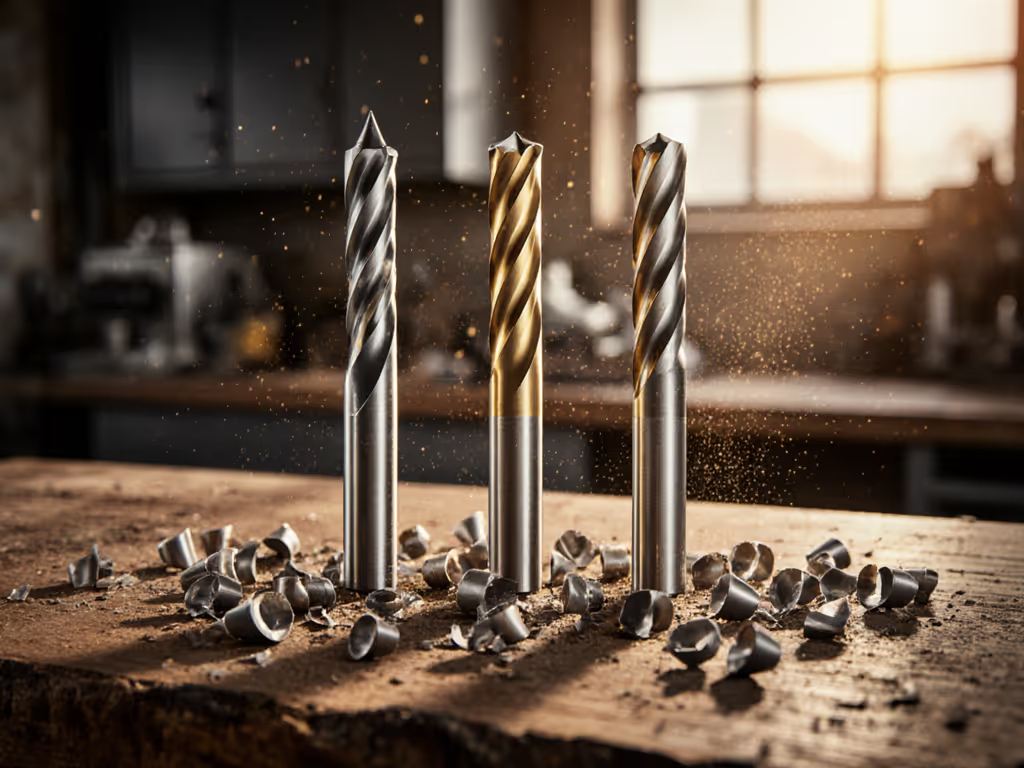
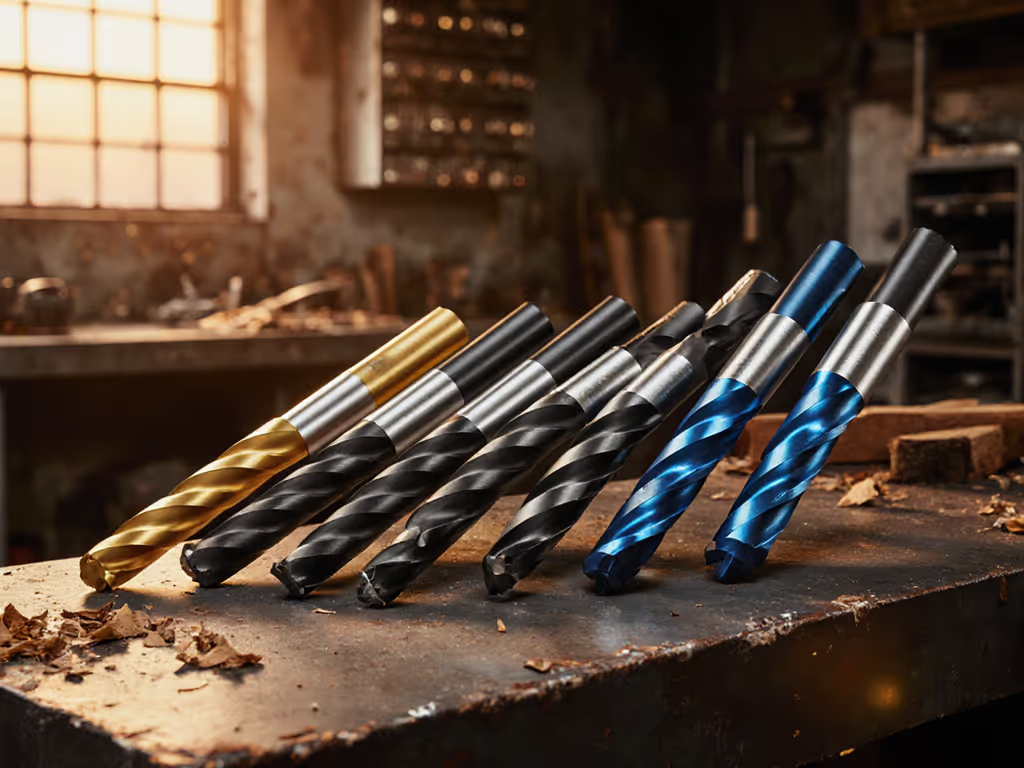
That distinctive gold-colored bit? That's titanium nitride (TiN), one of the most common coating technology success stories. This ceramic coating offers:
- Extreme hardness (80-90 HRC) that resists wear
- Reduced friction (coefficient drops by ~40%)
- Higher heat resistance (up to 600°C/1112°F)
Best for: Steel, stainless steel, aluminum, and other metals. Perfect for automotive repairs or metal furniture assembly.
Material-specific bits insight: TiN bits maintain sharpness 3-4x longer than black oxide when drilling metals. Look for the gold hue as a quick identifier on your jobsite.
3. Titanium Carbonitride (TiCN): The Blue-Gray Powerhouse for Tough Jobs
Slightly darker than TiN with a blue-gray appearance, TiCN adds carbon to the titanium-nitrogen mix for enhanced performance:
- Higher hardness (85-90 HRC) than standard TiN
- Better wear resistance in abrasive materials
- Lower friction coefficient for smoother drilling
Best for: Cast iron, hardened steel, and other challenging metals. The go-to for HVAC technicians working with ductwork.
Coating durability check: TiCN maintains its edge approximately 50% longer than TiN in high-stress applications. You'll notice less "catching" when drilling through inconsistent materials.
4. Titanium Aluminum Nitride (TiAlN): The High-Heat Champion
With a distinctive purple or bronze hue, TiAlN is the premium choice for professionals tackling demanding jobs:
- Exceptional heat resistance (up to 800°C/1472°F)
- Superior oxidation resistance that maintains performance
- Extended tool life in continuous drilling applications
Best for: Stainless steel, nickel alloys, and other heat-sensitive materials. Essential for aerospace or high-precision metalwork.
Bit longevity factors: Properly maintained TiAlN bits can deliver 2-3x more holes than TiN before requiring replacement, worth the investment for frequent metal workers.
5. Ceramic Coatings: The Extreme Hardness Solution
Ceramic coatings like aluminum oxide or zirconia offer extreme hardness (HV1500-2000) for specialized applications:
- Maximum wear resistance in abrasive materials
- Excellent thermal stability that maintains integrity at high temperatures
- Chemical inertness that prevents material bonding
Best for: Composites, fiberglass, and carbon fiber. Not typically needed for home DIYers but invaluable for boat or RV repair.
Pro tip: These brittle coatings require careful handling, drop them once and they may lose effectiveness. Store in protective cases.
6. Polymer Coatings: The Specialty Task Player
Fluorocarbon and other polymer coatings (often invisible to the naked eye) provide:
- Superior self-cleaning properties that prevent chip buildup
- Maximum chemical resistance for corrosive environments
- Excellent lubricity that reduces heat generation
Best for: Wet environments, chemical exposure, or sticky materials like pressure-treated lumber.
Material-specific bits insight: When drilling in marine environments or with treated lumber, polymer-coated bits reduce binding by up to 30% compared to standard coatings.
Your Drill Bit Coating Action Plan
Now that you understand the major drill bit coatings, here's your practical checklist to maximize bit performance:
- Identify your primary material (wood, metal, plastic, composite)
- Match to the coating that excels with that material (see sections above)
- Check for visual identifiers (gold = TiN, purple = TiAlN, etc.) For better bit retention and choosing hex vs round shanks, see our drill chuck types guide.
- Buy quality over quantity: 3 well-matched coated bits beat 10 mismatched ones
- Store properly: keep bits dry and organized to maintain coating integrity Build a labeled, grab-and-go system with our drill bit organization guide.
Remember the beginner in my Saturday class who swapped to the right bit and suddenly nailed their first straight pilot hole? That's the power of matching your tools to your task. When your gear works with you instead of against you, confidence compounds with every successful hole.
One Simple Step to Transform Your Next Project
This weekend, pick one upcoming project and apply what you've learned: examine your materials, choose the matching coated bit, and notice the difference in smoothness and precision. Keep that successful bit in your "go-to" tray as a reminder that the right tool for the job isn't about having everything, it's about having the right thing. One smart buy beats three compromises, and your confidence will grow with every clean hole you drill.
Ready to put theory into practice? Grab your drill, identify your next project's primary material, and select the matching coated bit from your collection. Then, share your before-and-after experience with a fellow DIYer, nothing builds community confidence like passing along proven knowledge.
Related Articles